Archive for 2011

Episode 19 Part 1: Pediatric Abdominal Pain & Appendicitis

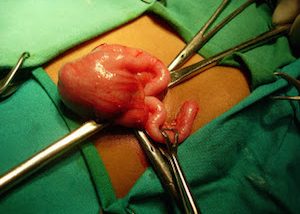
In Part 1 of this Episode, Dr. Anna Jarvis & Dr. Stephen Freedman discuss the nuances of the history, physical and work up of abdominal pain in children and key pearls on how to distinguish serious surgical causes from the very common diagnosis of gastroenteritis.  An in-depth discussion on the pearls of the history, physical exam, lab tests, imaging, analgesics and antibiotics in pediatric appendicitis follows. Read the full details of this episode »
Episode 18 Part 2: More Emergency Ultrasound Pearls, Pitfalls & Controversies

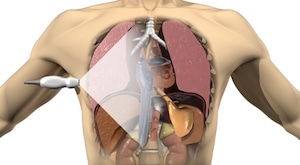
In Part 2 of this Episode Dr. Fischer, Dr. Hannam, Dr. Chenkin & Dr. Hall discuss how eUS can help our decision-making in the pediatric patient with a limp, in the patient with necrotizing fasciitis, in the pregnant patient with vaginal bleeding and in the common and challenging elderly patient with undifferentiated abdominal pain. They cover eUS indications from urinary retention to appendicitis and debate the utility of these indications. This is followed by a debate on how best to educate ourselves and the EM community in eUS and how best to designs quality assurance programs so that eUS becomes an accepted tool across the entire medical community.

Read the full details of this episode »

Episode 18 Part 1: Emergency Ultrasound Pearls, Pitfalls & Controversies

In this first installment of this Episode, our panel of Emergency Ultrasound (eUS) gurus, Dr. Greg Hall, Dr. Jordan Chenkin, Dr. Paul Hannam & Dr. Jason Fischer, review the basic criteria for commonly used, practical Emergency Ultrasound (eUS) indications at the bedside and then dive into heated debate about specific pearls and pitfalls in eUS assessment of the patient with undifferentiated shortness of breath, undifferentiated shock, cardiac arrest and swollen leg. They discuss how best to interpret the massive body of literature for eUS and when we can hang our hats on our eUS findings.

Read the full details of this episode »

Best Case Ever 6: Dr. Greg Hall on ED Ultrasound

In anticipation of Episode 18, ‘Emergency Ultrasound – Pearls, Pitfalls & Controversies’ with Dr. Greg Hall, Dr. Jordan Chenkin, Dr. Paul Hannam and Dr. Jason Fischer, we present here, the sixth of our ‘Best Case Ever’ series.

In the upcoming episode we review the basic criteria for commonly used, practical Emergency Ultrasound (eUS) indications at the bedside and then dive into heated debate about specific pearls and pitfalls in eUS assessment of the patient with undifferentiated shortness of breath, undifferentiated shock, cardiac arrest and swollen leg. We discuss how best to interpret the massive body of literature for eUS and when we can hang our hats on our eUS findings.

Moderated By: Dr. Anton Helman
With: Dr. Greg Hall
Info:Audio streaming

Moderated By: Dr. Anton Helman
With: Dr. Greg Hall
Info: 7.0 MB download, MP3 Audio Format
 

Episode 17 Part 1: Stroke Controversies (FREE!)

Dr. Walter Himmel & Dr. Dan Selchen update us on the recent literature regarding the ABCD2 Score to predict Stroke after TIA, as well as the current thinking around the best carotid imaging protocols for patients who have had a TIA. They then review the important findings of the key thrombolysis in stroke trials and how we should incorporate these findings into our daily practice. Dr. Selchen reviews the key CT findings we should be looking for in stroke patients and Dr. Himmel takes us through how to manage the dreaded complication of ICH after thrombolysis.

Read the full details of this episode »

Episode 17 Part 2: Stroke, Dabigatran & ICH (FREE!)

In the 2nd part of this episode Dr. Himmel & Dr. Selchen tell us everything the ED doc needs to know about the oral direct thrombin inhibitor Dabigatran and how to reverse a Dabigatran ICH. The ED treatment of stroke is reviewed including best medications and a simple way to remember BP goals. They review the management of ICH including BP goals, indications for neurosurgery, the role of recombinant Factor Vlla, and how best to reverse Warfarin-associated and platelet-associated ICH.

Read the full details of this episode »